

“A true leader has the confidence to stand alone, the courage to make tough decisions, and the compassion to listen to the needs of others. He does not set out to be a leader, but becomes one by the equality of his actions and the integrity of his intent” Douglas Mc Arthur
Leadership practices of school leaders often affect the culture of an organisation (Alzghoul, Elrehail, Emeagwali, & AlShboul, 2018; Azanza, Moriano, & Molero, 2013; Karadag & Öztekin-Bayir, 2018; Pavlovic, 2015). It is also the foundation for building and sustaining a positive work culture as it reinforces organisational norms and behaviours (Bass & Avolio, 1993). A study by Karadag and Öztekin-Bayir (2018), for instance, revealed a substantially positive relationship between school leadership and school culture. Similarly, Azanza et al.,(2013), suggest that authentic leadership has a significant relation with collaborative culture in terms of enhancing job satisfaction. In the Malaysian education context, one of the significant changes with the implementation of the Malaysian Education Blueprint (2013-2025), is the focus on the development and appointment of high-performing school leaders in schools as outlined in the fifth shift (KPM, 2013). The recognition of an excellent principal is indeed one of the greatest honoUr in the school administration as it is determined by how well a principal leads, manages and administrates their organization (Lokman et al., 2013). Excellent school leaders therefore must play their role as mentors for upcoming leaders by exemplifying traits such as loyalty, trust, cooperation, engagement and dedication which can be cultivated as a part of the work-place culture (Hollis, 2018).
A Legacy of Leaders penned by Dr Gertrude Jock and Dr Rose Patsy Tibok, chronicles the trials and tribulations of three formidable educational leaders of their time. In fact, two of them were excellent principals in their respective schools before they retired from the education service. The book offers valuable insights into their leadership roles in the form of anecdotal reflections during their service. The eleven chapters in this book outline the legacies left by these leaders and in what follows will be our own personal take on the topics that really stood out to us. In the narrative account of Datuk Kamal D.E Quadra who started off as an English teacher and at one point helmed the Gaya Teachers College from 1987 to 1999 before ending his career as the Director of the Sabah State Education Department, we were particularly drawn to his leadership “boldness” and vision, in terms of foreseeing what the future would look like and taking the necessary measures to ensure preparedness for instance the inevitable advent of technology, infrastructure and administrative approaches to name a few.
Another impressive figure in the education landscape of Sabah featured in this book is Datuk Dr Mary Yap Kain Chin whose accolades run far and wide. In her personal reflection on her leadership development, there were a few learning points that she focused on, which I felt were pivotal milestones in her leadership journey. She talked about leaders who inspire their people;
“I realised that the essence of leadership was helping others to move forward and achieve greater success by inspiring, influencing and sharing leadership best practices and experiences. Whenever my teachers or staff achieved success, I would share their win and triumphs…” (p. 24)
An important learning point that she highlighted was personal grooming and growth as a part of good leadership practices. The concepts of etiquette, protocol, and grooming were some of the areas she learned during her training stint at INTAN and IAB which she perfected and honed throughout her service. This is possibly something many of us may not even consider as we tend to focus on the bigger aspects of being leaders like managing the people under us. Datuk Dr Mary Yap based her leadership practices on two management tools known as DEFFRAAC (Delegate, Empower, Follow Up, Follow through, Reflect, Act, Appreciate and Celebrate) and ARRAS (Accepting, Respecting, Recognising, Appreciating, and Supporting) which I personally think are achievable feats. Leaders do not stay static. Continuous growth and development can only come from lifelong learning. This is also an essential facet of leadership that Datuk Dr Mary Yap speaks of in her anecdote in the book “We must assume the role of lifelong learners and learn leadership by working at it and taking it to the next level..” (p.33).
Madam Julia Willie Jock, whose humble beginnings as an English teacher in a secondary school in Sandakan, is yet another admirable educational leader featured in the book. She retired from the education service as an Excellent Principal of the Jusa C category in SM La Salle, one of the highest honours bestowed to an education leader. Her leadership principles are mostly based on best practices, successful leadership traits, and shared vision and mission. Madam Julia espouses these few leadership pillars in her personal reflection which include (1) being passionate about what you do as all your actions reflect a moral purpose, (2) leadership must be viewed as a responsibility, (3) leaders are there to create more leaders, (4) leaders must keep learning and growing, (4) communication is key and (5) the people you lead are “unique individuals” (p. 61).
Drawing from the leadership strengths of these prominent educational leaders of Sabah, the authors who are also leaders in their respective fields, have managed to encapsulate the key essence of effective leadership practices. Within a backdrop of insightful leadership practices, inspiring feats, and self-reflection these prominent leaders have made a significant mark in the educational landscape of Sabah leaving behind a legacy that is hoped will be passed on to a new generation of leaders who will continue to make impactful strides.
“Leaders should never forget the learnings of the past but strive to build new realities in leading and engaging with leaders of today” (Jock, 2023)
References :
Abdullah, A. G. K., Ling, Y. L., & Sufi, S. B. (2018). Principal transformational leadership and teachers’ motivation. Asian Education Studies, 3(1), 36.
Alzghoul, A., Elrehail, H., Emeagwali, O. L., & AlShboul, M. K. (2018). Knowledge management, workplace climate, creativity and performance: The role of authentic leadership. Journal of Workplace Learning, 30(8), 592-612.
Azanza, G., Moriano, J. A., & Molero, F. (2013). Authentic leadership and organizational culture as drivers of employees’ job satisfaction. Revista de Psicología del Trabajo y de las Organizaciones, 29(2), 45-50.
Bass, B. M., & Avolio, B. J. (1993). Transformational leadership and organizational culture. Public administration quarterly, 112-121.
Hollis, N. T. (2018). Blueprint for engagement: Authentic leadership. CRC Press.
Jock, G., & Tibok, R. P. (2023). A Legacy of Leaders. Institut Pendidikan Guru Kampus Gaya.
Karadağ, E., & ÖZTEKİN BAYIR, Ö. Z. G. E. (2018). The effect of authentic leadership on school culture: A structural equation model. International Journal of Educational Leadership and Management, 6(1).
Pavlovic, N. (2015). AUTHENTIC LEADERSHIP IN EDUCATIONAL INSTITUTIONS. International Journal for Quality Research, 9(2).
Written by Shubashini Suppiah, George Thomas, Sonny Teh Eng Chong

Shubashini Suppiah is a teacher educator at the Institute of Teacher Education Gaya.
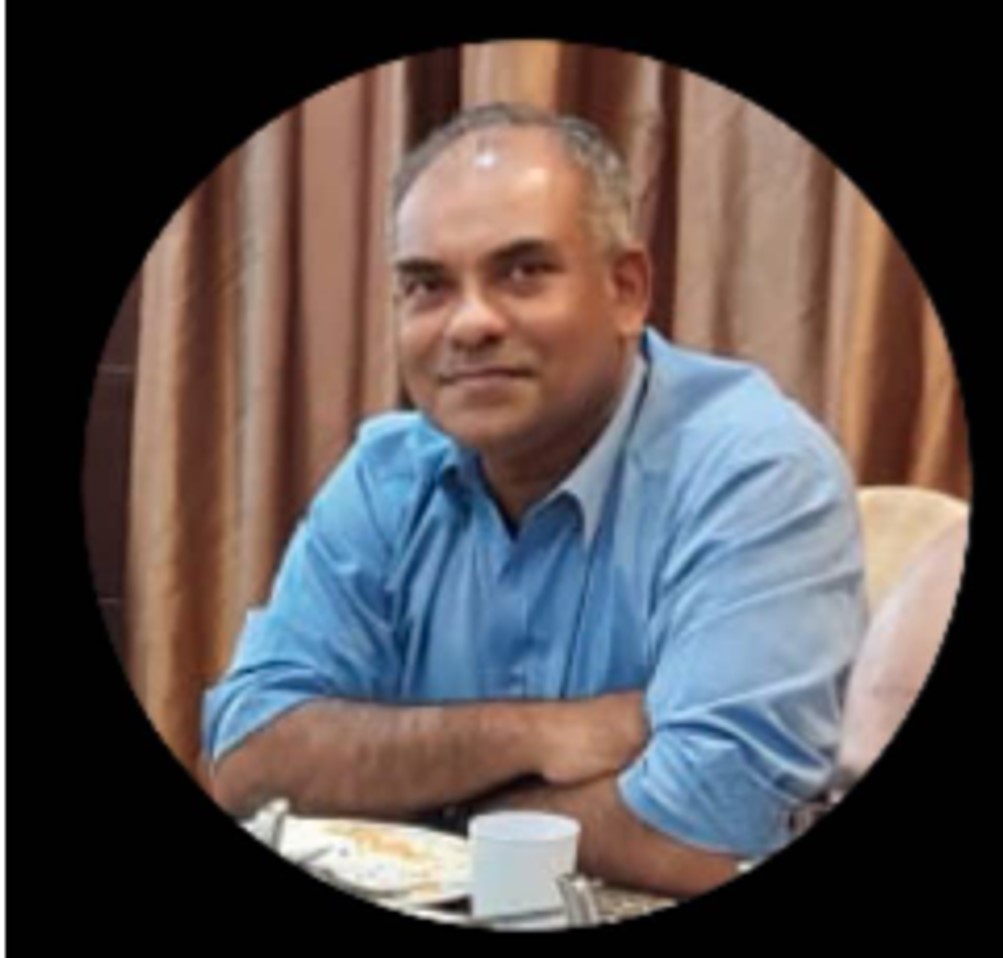
George Thomas is the head of Holistic Department at Teacher Education Gaya.
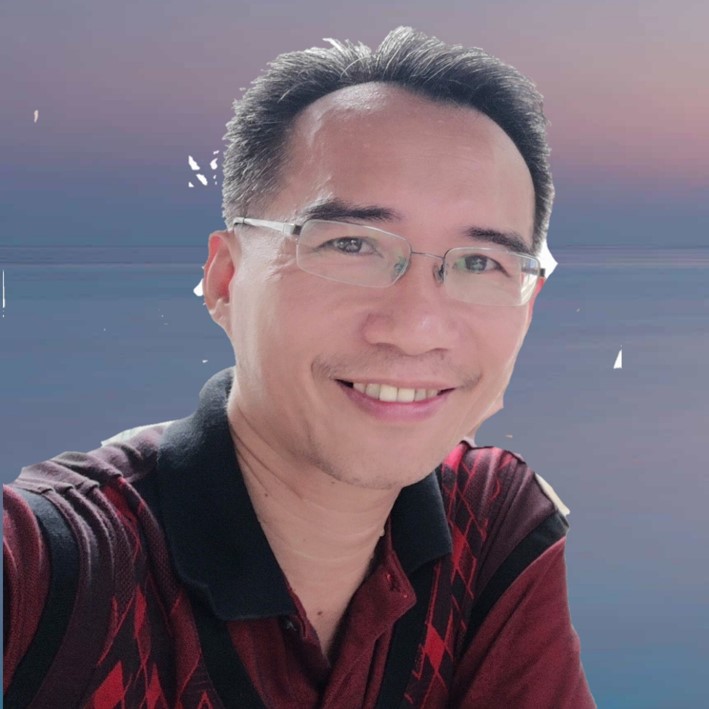
Sony Teh Eng Chong is the Head of STEM Department at Teacher Education Gaya.
 HIVE Educators | Cultivating teacher-scholars