Definition of KSSM AND KSSR Curriculum
Curriculum is the heart of school, referring to the constructed set of educational content, as well as an array of learning objectives and experiences that are envisioned to effectively steer the teaching and learning process within an educational institution. It includes what students are expected to learn, instructional methodologies, and assessment of their progress, offering a framework for educational programs. In Malaysia, Kurikulum Standard Sekolah Menengah (KSSM) is a secondary education curriculum framework, whereas KSSR is a primary education curriculum framework that focuses on the development of foundational knowledge and skills among primary school pupils. KSSR fosters critical thinking and creativity while preparing children for secondary school. KSSM is intended to create a more holistic and flexible education system, with a focus on developing students’ 21st-century skills and competences. The KSSM and KSSR indicate a transition in Malaysian education toward a more student-centered and holistic approach, with the goal of producing well-rounded graduates who are better prepared to handle the challenges of the twenty-first century.
Subjects are organized into thematic modules or “sekolah bestari” by KSSM and KSSR to create a more comprehensive and linked learning experience. Before moving on to the next level, the curriculum emphasizes mastery of knowledge and abilities. Students are encouraged to learn at their own pace and are not constrained by grade levels. Assessment methods are designed to evaluate students’ competencies rather than their knowledge. This comprises a mix of formative and summative exams to assess students’ knowledge and understanding. Both KSSM and KSSR place a heavy emphasis on the development of critical thinking, communication, cooperation, and problem-solving skills to prepare students for the challenges of the modern world.
The significance of Teachers’ Involvement in Curriculum Review
The critical role of teachers in keeping the curriculum aligned with current educational trends, technological advancements, and societal changes are not seriously put into a highlight, therefore the impulse of making teachers involved in the curriculum review should not be unheeded. Here is why their involvement in this aspect is crucial. Teachers are in direct contact with students, witnessing firsthand the evolving dynamics of the educational landscape. They are privy to emerging pedagogical methodologies, shifts in learning preferences, and the changing needs of today’s students. Their insights can guide curriculum developers in adapting to these dynamics. Other than that, society is in constant flux, impacting what students need to learn to be successful citizens. Teachers can provide feedback on the curriculum’s responsiveness to current events, societal issues, and cultural diversity, helping to foster well-rounded, socially conscious individuals. On top of that, as education increasingly focuses on equipping students with real-world skills, teachers can help ensure that the curriculum addresses these needs. They understand what skills and knowledge are in demand in the job market and can guide curriculum adjustments accordingly. Furthermore, keeping the curriculum updated with current trends and technologies can make it more engaging and motivating for students. Teachers can suggest ways to incorporate relevant, real-world examples, making the learning experience more meaningful.
Teachers’ deep understanding of their students’ diverse needs, learning styles, and abilities is a fundamental asset in the process of curriculum review and development. This familiarity with the classroom environment and the individuals within it positions teachers as vital stakeholders in making the curriculum more inclusive and equitable. Each student is unique, and teachers interact with this diversity daily. They recognize that not all learners thrive under the same conditions, and some may require specialized approaches. Through their participation in curriculum reviews, teachers can advocate for necessary adjustments that accommodate these distinct requirements. For instance, a curriculum might be modified to include various instructional methods, assessment tools, or additional resources to address the varying learning styles of students. Teachers can emphasize the importance of differentiation in the curriculum, which enables them to tailor their teaching to individual needs, ensuring that no student is left behind. Incorporating diverse perspectives, cultures, and experiences into the curriculum is another vital aspect of inclusivity. Teachers, being embedded in their local communities and having close relationships with students, can advocate for the inclusion of content that reflects the cultural and social backgrounds of their learners. This not only makes the curriculum more relevant but also validates the identities and experiences of the students, promoting a sense of belonging and cultural equity.
Conclusion
To sum up, teachers are not just implementers of the curriculum; they are its most informed and valuable stakeholders. Their involvement in curriculum review helps keep education relevant and responsive to the ever-changing educational landscape, ensuring that students are well-prepared for the challenges and opportunities of the future. Teachers’ unique position as educational practitioners allows them to serve as advocates for inclusivity and equity in the curriculum. Their insights and input are essential for crafting a curriculum that meets the diverse and ever-evolving needs of the student body, fostering an educational environment where all learners have an opportunity to succeed.
Written by Ainul Ilyani Binti Abdul Aziz
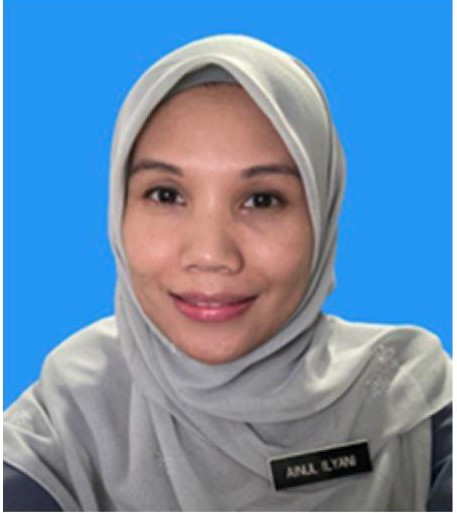
With 13 years of teaching experience in public school, Ainul Ilyani Abdul Aziz is a seasoned educator and the Head of English Panel at SAMTISH, a cluster school in Klang. She received a scholarship under the Ministry of Education Malaysia to refine her teaching skills at Sultan Abdul Halim Teachers’ Training College and graduated from Sultan Idris Education University with a Bachelor of Education (Hons) in TESL in 2010. Currently pursuing a Master of Education, she has served as an SPM examiner and a respected coach and judge for many Co-academic activities within many years. She has actively engaged in various co-academic activities. She has achieved international recognition through her meritorious role as a facilitator during SAMTSH Dawn Of Civilisation Program with her students where her students won the second and the third place in SELC Competition 2022 in international level. She received the Excellent Service Award in 2021. She also trains her students for Innovation Competitions in National levels. Her dedication and expertise have been recognized with a Silver Award for her action research in K-SEMANIS 2022. She continues to be an inspirational force in the field of education.
 HIVE Educators | Cultivating teacher-scholars