
Introduction
In the sacred realm of Islamic education, the cultivation of knowledge is intricately woven with the threads of good manners and courtesy. Beyond the traditional roles of educators, Islamic teaching emphasizes the profound impact that ethical conduct can have on the holistic development of students. This essay explores the integral role of good manners and courtesy in Islamic education, drawing inspiration from the teachings of the Quran and the exemplary life of Prophet Muhammad.
Foundations of Islamic Teaching Manners
At the heart of Islamic education lies a profound emphasis on character development. Rooted in the Quran and the Sunnah, educators are called upon to mirror the exemplary behavior of Prophet Muhammad, who was described as “a mercy to the world.” His life serves as a blueprint for embodying virtues such as kindness, patience, humility, and compassion in the educational journey.
Patience and Understanding
Patience, a revered virtue in Islam, finds a special place in the realm of education. Recognizing the diverse learning paces of students, educators are reminded of the Quranic teaching to “be patient; indeed, the promise of Allah is truth.” A patient and understanding approach to teaching allows for the individualized growth of each student, fostering an environment where mistakes are viewed as opportunities for learning and improvement.
Prayer and Spiritual Guidance
The infusion of moments of prayer and spiritual reflection into the educational journey deepens the connection between academic pursuits and spiritual growth. Encouraging students to seek guidance through prayer helps instill a sense of purpose and aligns educational goals with spiritual aspirations. In doing so, educators contribute to the development of not only knowledgeable individuals but also spiritually conscious beings.
Role Modeling Islamic Etiquette
Teachers in an Islamic educational setting are not merely conveyors of information; they are role models entrusted with shaping the character of their students. A crucial aspect of teaching good manners is the consistent modeling of Islamic etiquette. Through their daily actions and interactions, educators exemplify the values they aim to instill in their students.
This involves demonstrating humility in acknowledging mistakes, showing gratitude for opportunities to learn, and displaying integrity in all dealings. When educators embody these qualities, they provide tangible examples for students to emulate. Prophet Muhammad’s famous saying, “The best among you are those who have the best manners and character,” underscores the importance of personal conduct in Islamic education.
Addressing Ethical Dilemmas
In the course of their education, students may encounter ethical dilemmas that require thoughtful consideration within an Islamic framework. Teachers, as moral guides, should be prepared to engage students in discussions about these challenges, helping them understand the ethical implications and guiding them toward solutions rooted in Islamic principles.
This approach encourages students to develop a moral compass and apply Islamic teachings to real-world situations. By actively involving students in ethical discussions, teachers contribute to the development of a generation capable of making informed and principled decisions in various aspects of life.
Creating a Supportive Learning Community
An essential aspect of teaching with good manners is fostering a supportive learning community where students feel connected, valued, and encouraged to collaborate. Islamic education emphasizes the concept of the ummah, a community bound by shared values and a sense of collective responsibility. Teachers can nurture this spirit by promoting teamwork, mutual support, and a sense of belonging among students.
Implementing Fair Assessment Practices
Islamic teaching manners extend to the assessment process, emphasizing fairness and justice. Teachers should adopt transparent and unbiased assessment practices that consider individual abilities and efforts. Providing constructive feedback that focuses on improvement rather than merely highlighting errors aligns with the Islamic principle of justice and mercy.
Conclusion
Teaching good manners in Islamic education is a sacred mission, nurturing knowledgeable and virtuous individuals. As educators model Islamic etiquette, encourage critical thinking, address ethical dilemmas, create a supportive learning community, and implement fair assessment practices, they contribute to a generation upholding Islamic values while making meaningful contributions to society. This holistic approach prepares students to navigate the world with wisdom, compassion, and grace.
Written by Sabriah binti Japrin
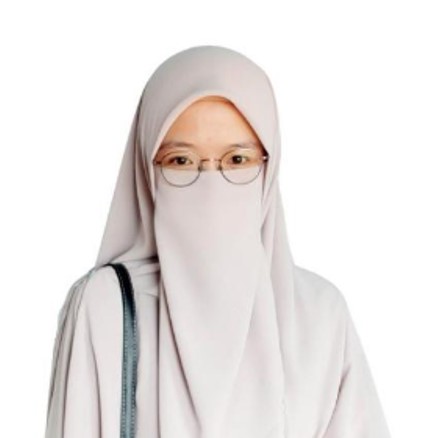
Sabriah binti Japrin is an Islamic Education educator with a Bachelor’s Degree in Islamic Education from UPSI. She currently teaches in SMK Pekan Telipok, Tuaran, Sabah.
*The views expressed in this article do not represent HIVE Educators.
 HIVE Educators | Cultivating teacher-scholars