
Children are natural learners. From the moment they open their eyes, they begin exploring
the world around them with wide-eyed curiosity and wonder. As parents, one of the
greatest gifts you can offer is the ability to keep that spark alive throughout their lives.
School can sometimes dull the excitement of discovery, turning learning into a checklist
rather than an adventure. But with the right approach at home, you can help your children
see education as something thrilling and meaningful, not something to endure.
Be a Role Model for Curiosity
The first step in nurturing a lifelong learner is to be one yourself. Kids mirror what they
see, and when they observe you showing excitement about learning new things, that
enthusiasm rubs off. Let your children see you reading books, trying new recipes, asking
questions about the world, or learning a new language. Be open about the things you do not
know and involve them in finding answers. Whether you’re figuring out how to fix a broken
appliance or reading about astronomy, your own curiosity teaches your children that
learning never stops.
Make Time Even When You’re Busy
Life gets hectic, but helping your kids learn does not have to require hours of your time
each day. Having a plan of attack will ensure your children have enough time with you, and
you won’t feel as much pressure when you’re helping them with learning. Even small
moments can have a big impact. If you’re stretched for time, bedtime is a good opportunity
to foster a love of reading and books. Snuggle up with a story or ask your child to tell you
something new they learned. These simple routines create meaningful connections and
build positive associations with learning.
Create a Home That Encourages Discovery
The environment you create at home plays a big role in how your children view learning.
Surround your home with books, maps, art supplies, educational toys, puzzles, and musical
instruments. Keep these resources within easy reach so kids can explore freely. Set up a
corner with a microscope or a craft table stocked with materials they can use without
asking for permission. When the home becomes a space where curiosity is rewarded and
supported, learning becomes second nature.
Build a Strong Reading Foundation
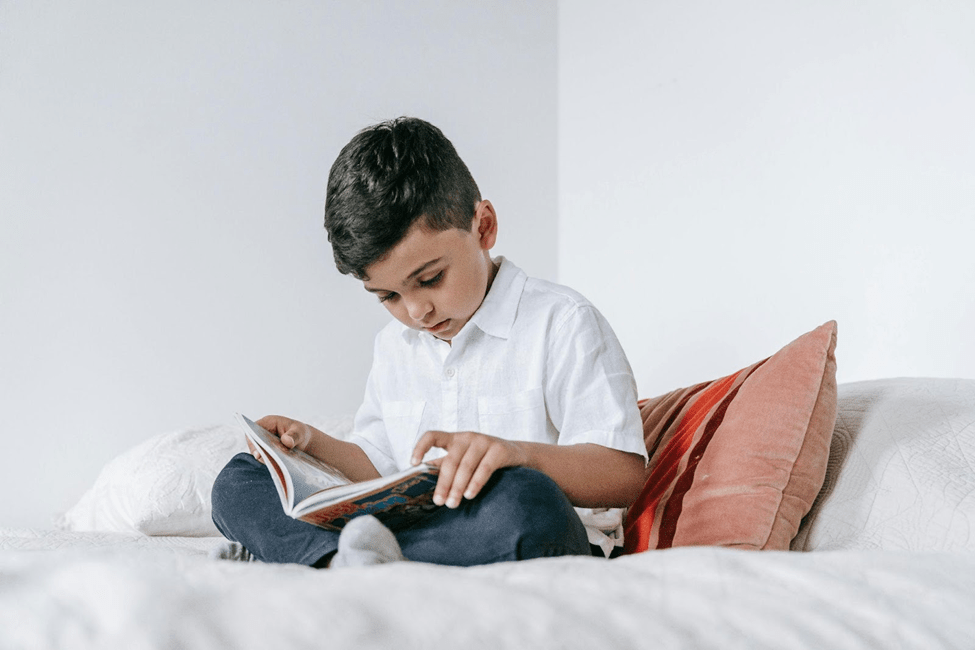
Reading is the gateway to all learning. Start reading to your child from the earliest age,
even before they fully understand the words. Make trips to the library a regular routine and
allow your child to choose their own books. As they grow older, continue to read together
and encourage independent reading. Talk about the stories, ask open-ended questions, and
connect books to real-life experiences. You could also try going to museums and
encouraging them to invent imaginative stories to accompany some of the work they find
interesting!
Explore a Wide Range of Subjects
Children do not always know what they are interested in until they are exposed to it. Offer
your child a broad array of experiences to help them find what lights them up. Take them to
museums, aquariums, concerts, and cultural festivals. Watch documentaries, explore
science kits, cook foods from different countries, and talk about history in the context of
current events. The more topics you introduce, the more likely they are to discover
something they are passionate about. And when that happens, learning becomes a pursuit
rather than a task.
Use Play and Technology as Learning Tools
Learning does not have to look like school. Games, hands-on activities, and educational
apps can make the process fun and interactive. Board games teach math and strategy,
scavenger hunts promote observation and problem-solving, and science experiments build
understanding through trial and error. Age-appropriate websites and apps can also help
reinforce academic skills in ways that feel like play. Look for tools that challenge your child
while rewarding effort and creativity. When kids are having fun, they do not even realize
they are learning.
Encourage Questions and Wonder
One of the best ways to keep learning alive is to create a space where questions are
welcomed and wonder is encouraged. When your child asks a question, instead of giving a
quick answer, explore it together. Ask what they think, brainstorm ideas, or look it up in a
book or online. This models how to think critically and find information independently.
Celebrate their curiosity, even if it leads to tangents or big, complex questions. The goal is
not always to have the answer but to enjoy the journey of discovery together.
Keeping the love of learning alive in your children is not about having all the answers or
following a strict curriculum. It is about modeling curiosity, creating opportunities for
exploration, and celebrating the joy of discovery. When kids feel supported and inspired,
learning becomes something they choose for themselves, not something imposed upon
them. As a parent, your influence is powerful. By nurturing their natural curiosity and
showing that learning is a lifelong adventure, you give your children a gift that will serve
them for the rest of their lives.
Written by Kathleen Carter
As a member of EducatorLabs, Kathleen Carter is dedicated to bridging the gap between educators and valuable online resources. She also brings a unique perspective to the team. Her passion drives their commitment to curating and conserving high-quality educational materials.
By sharing her knowledge on education, Kathleen helps teachers discover untapped resources and strengthen connections within the educational web. Through a hands-on approach and dedication to quality, Kathleen contributes to a brighter future for education.
 HIVE Educators | Cultivating teacher-scholars