
Good manners are essential in any educational setting for creating a positive and conducive learning environment (Rolls et al., 2018). When students demonstrate appropriate behaviour and respect for their teachers and peers, they improve their educational experience and contribute to the overall classroom atmosphere. Good manners are essential in the classroom because they foster respect, discipline, and cooperation among students (Rahimi & Hosseini, 2012). Students who demonstrate good manners demonstrate that they value their education, their teachers, and their peers. This results in a positive and harmonious environment where everyone feels valued and respected. In this article, we will look at how to create a positive learning environment.
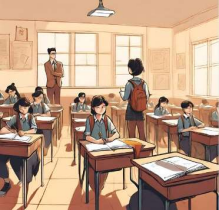
Teachers and peers must be respected.
Respect for teachers and peers is one of the most important aspects of classroom etiquette. Students should address their teachers with respect and use appropriate language when communicating with them (Evans et al., 2014). They should also be kind and compassionate to their classmates, creating a welcoming and inclusive learning environment. Respecting teachers entails politely seeking help, as demonstrated by a student approaching a teacher for assistance. Kindness towards peers is exemplified by inclusive actions such as encouraging a shy classmate during group work.

Participation and active listening
Good manners also include active listening and participation in the classroom (Wiwoho, 2022). Students should pay attention to their teachers and actively participate in class discussions and activities. They not only show their teachers respect, but they also improve their own learning experience. Active listening and participation in the classroom demonstrate good manners and help to create a positive learning environment. When students listen attentively, they demonstrate respect for the teacher’s expertise and improve their understanding of the material. Participating actively in class discussions and activities not only demonstrates enthusiasm for learning but also promotes a lively exchange of ideas.

Being on time and well-prepared
Another aspect of good manners is being on time and prepared for class. Students must arrive on time and with all necessary materials and assignments (Ellyawati et al., 2023). This demonstrates accountability and respect for the teacher’s time while also ensuring a smooth lesson. Being on time and prepared for class demonstrates good manners by respecting the teacher’s time and fostering a positive learning environment. Arriving on time with the necessary materials demonstrates accountability and readiness to participate in the lesson. A student who consistently arrives on time, for example, demonstrates commitment to their education and respect for the classroom structure.
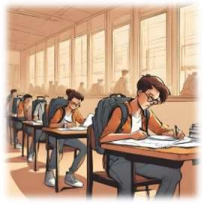
Following the rules and guidelines in the classroom
To maintain order and create a conducive learning environment, classroom rules and guidelines are implemented. Students who have good manners follow these rules and guidelines because they understand how important they are to the smooth operation of the class. Students contribute to a positive and respectful classroom environment by following these rules (Shoaib & Ullah, 2021).
Accepting accountability for one’s actions, be considerate and compassionate to others
Taking responsibility for one’s actions is also part of good manners. Students should own up to and learn from their mistakes. They demonstrate maturity and accountability, which are important qualities for personal growth and development, by doing so. No need to be selfish and pointing fingers at others.
Consideration and empathy for others are important aspects of good manners. Students should be considerate of their classmates’ feelings and needs, treating them with kindness and respect. Within the classroom, this fosters a sense of community and cooperation. If there is a student who talks too loud, ask her or him nicely to slow it down.

Finally, good manners are necessary for fostering a positive and productive learning environment in the classroom. Students who have good manners respect their teachers and peers, participate actively in class, and adhere to classroom rules and guidelines. The advantages of good manners extend beyond the classroom, as they help to develop important life skills. Students can improve their educational experience and create a supportive and inclusive learning environment for all by fostering a culture of respect, empathy, and cooperation.
References
Ellyawati, H. C., Shinta, Q., & H. Tatas. (2023). An Error Analysis of Students’ Writing Assignments. 14(1). https://doi.org/10.26877/eternal.v14i1.14445
Evans, E., Baskerville, R. F., Wynn-Williams, K., & Gillett, S.. (2014). How students’ ethnicity influences their respect for teachers. 22(2). https://doi.org/10.1108/ARA-01-2014-0001 Rahimi, M., & Hosseini, K. F.. (2012). EFL teachers’ classroom discipline strategies: the students’ perspective. 31. https://doi.org/10.1016/J.SBSPRO.2011.12.060
Rolls, N., Northedge, A., Chambers, E., & Hodson, L.. (2018). Creating a Positive Environment for Learning. Macmillan Education UK. https://doi.org/10.1057/978-1-137-53669-3_5 Shoaib, M., & Ullah, H.. (2021). Classroom Environment, Teacher, and Girl Students’ Learning Skills. 53(9). https://doi.org/10.1177/00131245211001908
Wiwoho, G.. (2022). Listening-first approach and listening strategies towards successful efl listening classroom. 2(02). https://doi.org/10.56444/lime.v2i02.2863
Written by Yang Qammarina Mohd Toha

She is currently a tutorial teacher at Tuisyen Celik Jaya, and a PhD candidate at University Malaysia Terengganu.
*The views expressed in this article do not represent HIVE Educators.

