The school bell rings—but the real learning might just be getting started. As a parent, you’ve likely felt the pull between structured enrichment and unstructured downtime. Maybe your child has burned out on rote lessons or lost interest in the usual activities. What now? The answer might not be more of the same—but something wildly different. What if afternoons became launchpads for identity, imagination, and real-world curiosity? What if “after-school” was less about worksheets and more about turning your child into someone who could handle challenge, explore boldly, and express themselves in unexpected ways? Here’s a rhythm-first look at creative, out-of-the-box after-school ideas that do exactly that.
Let Curiosity Lead the Way
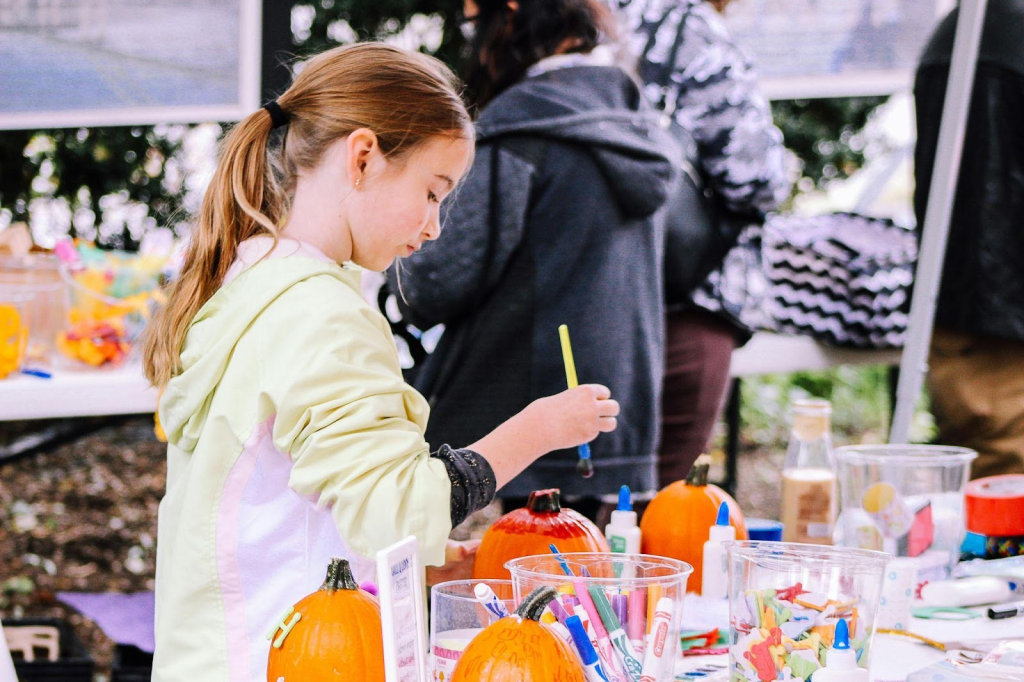
Children don’t just want stimulation—they want stakes. They want to feel like what they’re doing matters. That’s why hands-on learning enhances understanding more than any passive input ever could. When kids build, tinker, design, and experiment, their brains get to work encoding real memories—not just facts but frameworks. From scavenger hunts that involve math puzzles to mini-science fairs hosted in the living room, experiential learning turns afternoons into memory machines. A child who builds a bird feeder doesn’t just learn about nature—they learn they can make something that matters to another living thing.
Where Movement Meets Imagination
Physical activity and creativity don’t have to be opposites. In fact, some of the best after-school programs fuse the two seamlessly—where a game of capture the flag evolves into a storytelling session or a dance routine becomes a physics lesson. The best hybrid experiences tap into multiple intelligences at once. You’ll see it happen when children solve problems while learning new skills—engineering a makeshift obstacle course or creating a coded treasure map for friends. The mix of body, brain, and invention creates a kind of confidence that pure academics can’t touch.
Make Identity Part of the Adventure
Now let’s stretch the idea of creativity a little further. What if your child could design something that reflects who they are—something that says, “this is me”? One activity parents are quietly embracing involves letting kids learn more by creating their own mini business cards or identity badges. This isn’t about resumes or career tracks. It’s about letting kids visually express their interests—robot-building, frog-finding, comic-writing, whatever. You’ll be surprised how proud they are when they hand one over. It becomes a conversation starter, a confidence builder, and a reminder that identity isn’t fixed—it’s something they get to shape.
Go Local, Go Visual
Some kids don’t want to move fast. They want to make things. If your child gravitates toward observation, precision, or visual flair, consider enrolling them in a local art studio that sees them not just as a student—but as a maker. One standout option in Malaysia invites children to express themselves through creativity, with classes in drawing, painting, and even 3D design. More than just a creative outlet, these programs help kids practice patience, focus, and the joy of following an idea all the way to completion.
Build Worlds, Not Just Skills
Some kids aren’t drawn to the canvas—but to the idea of creating entire worlds. Enter a different kind of art-meets-STEM hybrid: one where kids storyboard their own comic books, build small machines that tell a story, or animate scenes from their own imagination. These experiences invite children to blend visual art with scientific discovery, using everything from recycled materials to digital tablets. The goal isn’t just to “make something”—it’s to think like a systems builder, a storyteller, a little engineer with a lot to say.
At-Home Chaos, Transformed
You don’t need a program or a sign-up sheet to spark growth. Some of the richest after-school experiences can happen at your kitchen table—with a bit of intentional mess and zero fear of failure. Cooking, for example, isn’t just about making dinner. It’s a moment to turn kitchen chaos into learning adventures. Let your child take the lead—planning a meal, experimenting with flavors, creating a menu. It’s math, planning, creativity, and courage all rolled into one. Build on this with cardboard construction, home science labs, or family challenges like “build a machine that waters the plants.”
Courage Grows from Small Risks
If there’s one thing alternative after-school paths have in common, it’s this: they stretch a child’s sense of what they’re capable of. A martial arts class, a public speaking club, a dance circle—each becomes a proving ground. We’re not talking about trophies. We’re talking about a moment when your child hesitates—and then does the thing anyway. The moment they realize their voice matters. That they can mess up, recover, and try again. That’s where art builds confidence, yes—but so does action. So does failure followed by laughter.
The goal of after-school enrichment isn’t to pad a resume or keep a child “productive.” It’s to help them stretch—to explore a new part of themselves. You don’t need to force a perfect plan. You need to listen. Watch what lights them up. Give them tools. Give them space. Whether it’s comic creation, cooking experiments, or quiet afternoons painting their world, the right experience doesn’t just fill time—it builds the person your child is becoming. The one who thinks creatively, acts bravely, and keeps exploring long after the bell rings.
Empower your teaching journey with innovative strategies and insights by visiting HIVE Educators, where teachers are at the heart of educational excellence.
Written by Kathleen Carter

