
In today’s interconnected world, global events can ripple across borders, affecting economies, trade, and education systems. The recent tensions involving Iran, Israel, and the United States and potential disruptions of critical trade routes like the Strait of Hormuz, offer a timely and practical case for business educators in Malaysia.
Why It Matters for Business Students
The Strait of Hormuz handles nearly 20% of global oil trade. Any conflict in this region threatens supply chains, increases energy costs, and creates economic uncertainty. For Malaysian businesses, this can mean:
- Higher production costs
- Import-export delays
- Market volatility and financial instability
Understanding these dynamics is critical for students who will soon enter the workforce. Business education should therefore go beyond theory to include practical applications, critical thinking, and ethical decision-making.
Classroom Opportunities: Learning from Real Events
Educators can turn global disruptions into engaging learning experiences aligned with HIVE’s “think-and-action” philosophy. Strategies include:
1. Supply Chain Simulation
Students take on roles, multinational companies, local suppliers, logistics operators and redesign supply chains after a sudden closure of the Strait of Hormuz. They consider costs, delivery times, and alternative routes, experiencing firsthand the challenges businesses face in volatile global environments.
2. Crisis Management Case Study
Students analyze real-time data on oil prices, shipping delays, and regional economic impacts. They propose mitigation strategies for Malaysian businesses affected by disruptions, developing problem-solving and decision-making skills.
3. Debate and Policy Workshop
Students debate the ethical responsibilities of businesses during conflicts and propose policies to support local industries. This helps them link business ethics with real-world consequences.
4. Global-Local Connection Project
Students research how international conflicts affect Malaysian education, including school budgets, digital learning resources, and infrastructure projects. They design solutions to help schools adapt, fostering creativity and civic responsibility.
Ensuring Student Safety Amid Global Conflicts
While global conflicts present rich learning opportunities, student safety must remain a priority. For Malaysian students planning internships, exchange programs, or field visits in regions affected by tensions:
- Monitor travel advisories: Stay updated with government and embassy alerts.
- Develop contingency plans: Ensure students know emergency procedures, evacuation routes, and contact points.
- Educate on cultural and political awareness: Understanding the local context reduces risks and improves decision-making.
- Prioritize virtual alternatives: When travel is unsafe, simulations, online collaborations, and case studies can replicate learning without exposing students to danger.
These practices not only protect students but also teach risk management and ethical decision-making, core competencies for future business leaders.
Implications for Malaysian Education
Global conflicts can indirectly affect education in Malaysia:
- Rising energy costs may reduce public spending on schools.
- Delays in imports can affect the availability of digital tools, textbooks, and educational technology.
- Economic uncertainty can influence students’ career choices and aspirations.
By integrating current events into lessons, teachers equip students to navigate complex, uncertain environments, while promoting financial literacy, resilience, and global awareness.
Pedagogical Takeaways
- Relevance Matters: Connecting lessons to current events makes learning meaningful and encourages active engagement.
- Critical Thinking: Students evaluate data, consider alternatives, and weigh ethical implications.
- Global Awareness: Understanding international events prepares students to make informed business decisions.
- Teacher Agency: Educators, guided by HIVE’s philosophy, can design flexible, action-oriented lessons that empower both teachers and students.
Conclusion
The Iran-Israel-US tensions and potential closure of key trade routes are more than geopolitical news; they are living case studies for business education in Malaysia. By embedding these events into classroom activities, educators help students understand the interplay between global events and local economies, cultivate resilience, and develop the skills necessary for the uncertain world of business.
At the same time, ensuring student safety and integrating risk management lessons strengthens both ethical and practical learning. HIVE’s approach allows teachers to transform global crises into meaningful learning experiences, ensuring Malaysian students are not only business-literate but globally conscious, adaptable, and prepared for real-world challenges.
Written by Mary Grace K. Orow
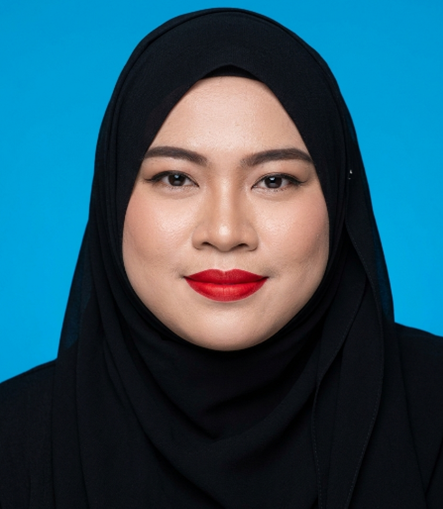
Mary Grace K. Orow is a Business Studies lecturer at Cyberjaya College Kota Kinabalu, with over 11 years of experience in the retail banking sector. Her professional expertise spans customer relationship management, financial advisory, and digital banking operations, which she integrates into her teaching to bring real-world business insights into the classroom.

